Insulin or Inequity:
Exploring Treatment Patterns in Diabetic Patients
Can data expose hidden truths in healthcare? That question drove me as I explored treatment patterns in over 70,000 diabetic inpatient records. Like a well-crafted documentary, the numbers began to tell a story—one of potential disparities, unexpected patterns, and deeper questions about equity in care. What started as a SQL project quickly became something more meaningful.
Why This Project?
My motivation for choosing this project stems from a deep interest in both healthcare and data analysis. I’ve always believed that understanding how data can reveal inequalities is crucial, especially in a field that affects so many lives. I wanted to explore whether patients from different backgrounds receive the same level of care. This project felt unique because it allowed me to blend technical skills with important societal questions.
What Will You Gain?
By reading this article, you'll gain insight into:
- The relationship between patient demographics and treatment intensity.
- How the number of lab procedures influences hospital stays.
- Variations in treatment across different medical specialties.
- The efficiency of care provided to emergency patients.
Key Takeaways
- Racial disparities exist in treatment patterns.
- More lab procedures lead to longer hospital stays.
- Certain medical specialties perform more procedures than others.
- The majority of patients have short hospital stays, but longer stays are often linked to higher care needs.
Dataset Details
The dataset I used comes from Kaggle, containing over 70,000 clinical records of diabetic inpatients. Each record gives insight into patient demographics, admissions, procedures, and medications. Using this de-identified data is a great way to analyze real-world trends in healthcare, providing a solid foundation for my findings.
The Analysis Process
Type of Analysis: Descriptive
I began by cleaning the data to ensure accuracy. It was essential to transform the data into formats suitable for analysis. I used SQL to run queries that helped reveal patterns. I was surprised by how significant the findings were—especially regarding racial disparities in treatment and how treatment intensity correlates with longer hospital stays.
Visuals & insights
1
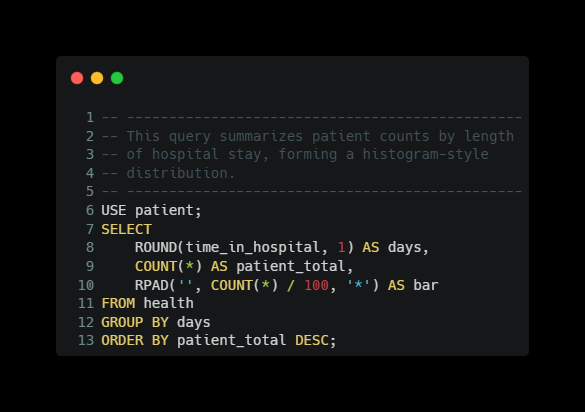
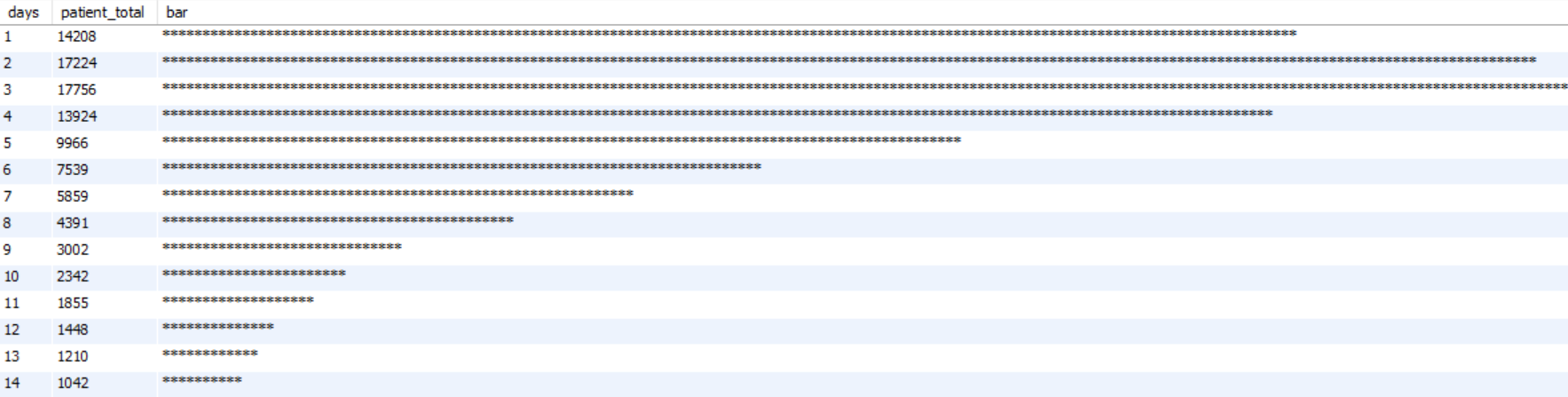
Insight:This table shows African-American patients had more lab procedures, hinting at potential disparities in treatment intensity.
2
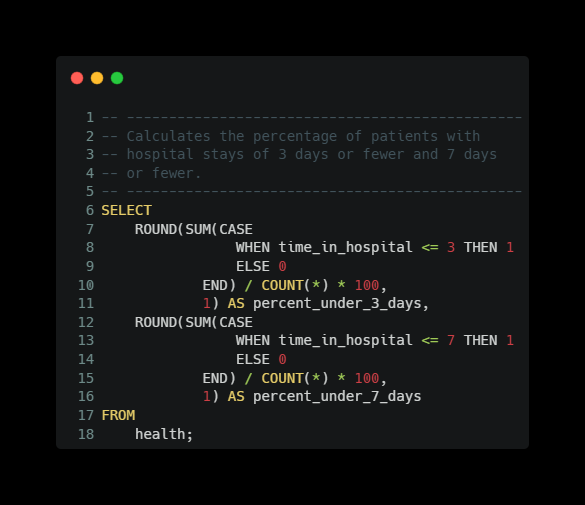

Insight:This table shows African-American patients had more lab procedures, hinting at potential disparities in treatment intensity.
2b
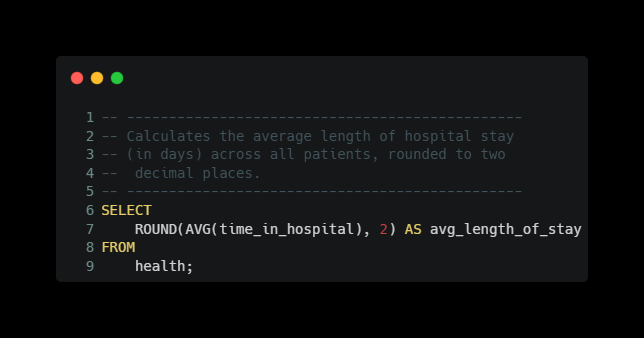

Insight:This table shows African-American patients had more lab procedures, hinting at potential disparities in treatment intensity.
3
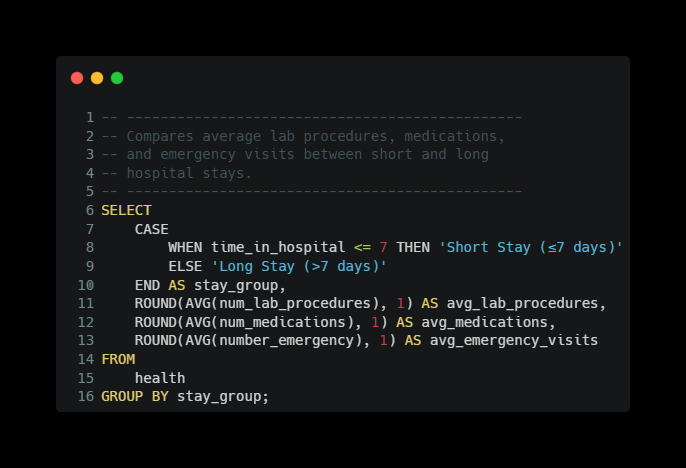

Insight:This table shows African-American patients had more lab procedures, hinting at potential disparities in treatment intensity.
4
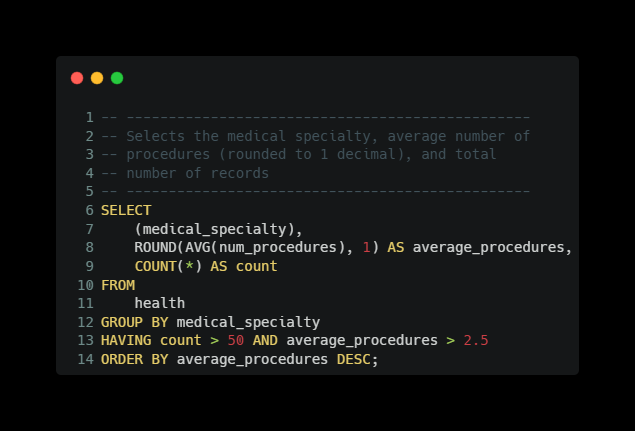

Insight:This table shows African-American patients had more lab procedures, hinting at potential disparities in treatment intensity.
5
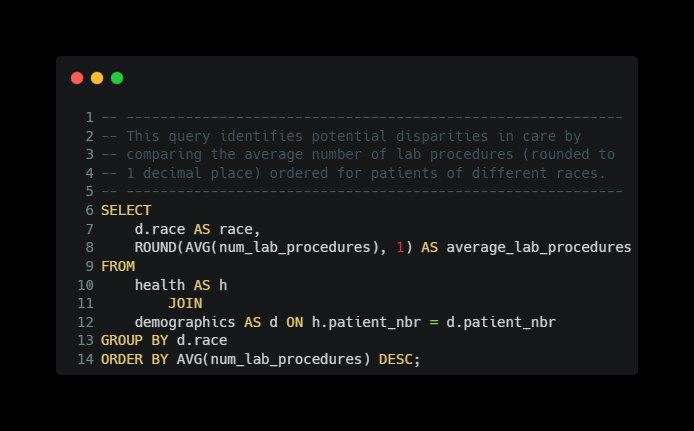
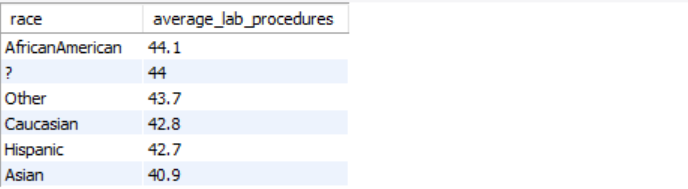
Insight:This table shows African-American patients had more lab procedures, hinting at potential disparities in treatment intensity.
6
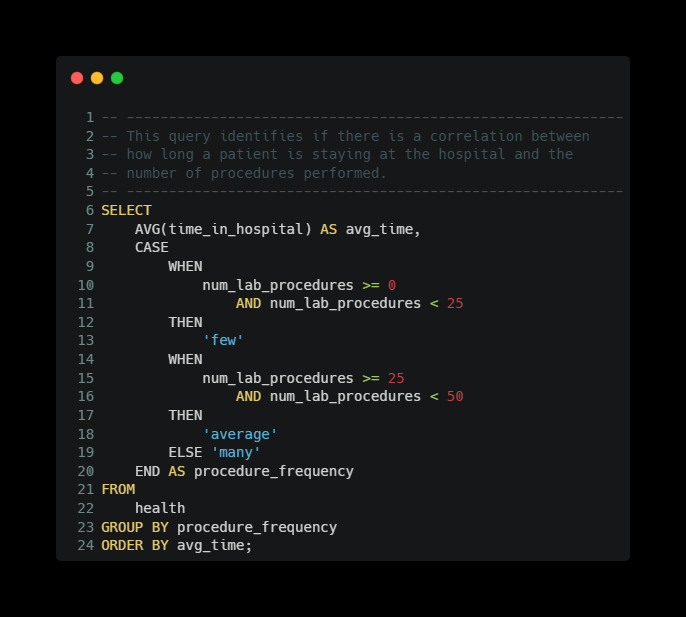

Insight:This table shows African-American patients had more lab procedures, hinting at potential disparities in treatment intensity.
78
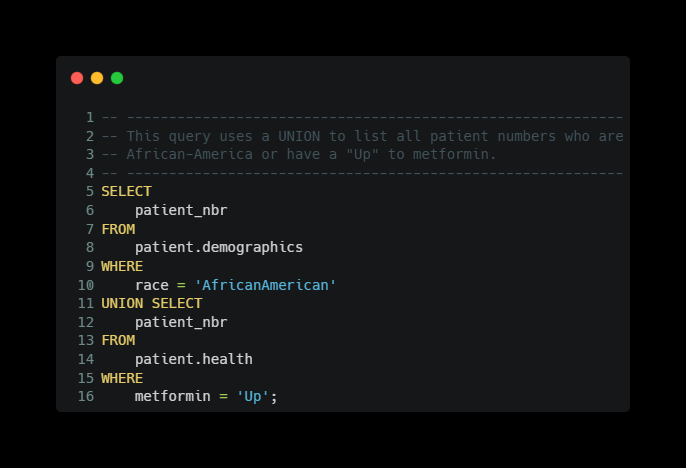

Insight:This table shows African-American patients had more lab procedures, hinting at potential disparities in treatment intensity.
Main Takeaways
The data paints a compelling picture of DoorDash’s marketing landscape. The stark realization that a large percentage of customers do not engage with campaigns indicates a clear need for improvement. Strategies should focus on crafting more appealing campaigns, perhaps by understanding customer preferences better or experimenting with new promotional tactics.
Additionally, the seasonal dips in new customer acquisitions suggest that awareness campaigns could be intensified during quieter months to maintain a steady flow of new customers. Engaging the lower-spending customers could also be fruitful, as they represent a large portion of the customer base, yet contribute less to total sales.
Conclusion & Personal Reflections
This project opened my eyes to the complexities of marketing in a digital age. It was challenging to sift through the data and draw meaningful conclusions, but it taught me the importance of data-driven decision-making. I learned that understanding consumer behavior is crucial for any business looking to thrive, and I’m now more motivated than ever to explore marketing strategies further.
What Happens Next?
I’d love to hear your thoughts on these findings! Connect with me on LinkedIn, and let’s discuss how we can work together to make marketing more engaging. Feel free to leave a comment or ask any questions!